Importing Korean Electronics & Auto Parts to India (2026): BIS, WPC, Duty, CEPA & Shipping
Samsung and LG parts, Korean displays, sensors, semiconductors, EV components and Hyundai-Kia aftermarket parts all flow from Korea to India. Here is the compliance map (BIS, WPC, EPR), the duty math with CEPA, and how to ship batteries and heavy parts correctly.
Key takeaways
- Most consumer electronics and IT goods need BIS CRS registration of the exact model before commercial import; wireless devices also need WPC ETA — one unit for personal use is exempt from BIS.
- Duty: laptops, ICs and many components 0% BCD; smartphones 15–20%; most other electronics and auto parts 7.5–15% — reduced under CEPA with a Korean Certificate of Origin; IGST 18% on top.
- Lithium batteries and devices with batteries ship as dangerous goods (UN3480/3481) — declare them; undeclared batteries get offloaded.
- ShipKorea consolidates from Korean suppliers at our Seoul hub and ships DDP to India from ₹690/kg in 6–9 days, with BIS/WPC checks before dispatch.
Quick answer
Importing Korean electronics or auto parts into India requires IEC + GST, BIS CRS registration for regulated electronics (and WPC ETA for wireless), an e-waste EPR registration for producers/importers of covered items, correct HS classification for duty (0–20% BCD + 18% IGST, reduced under CEPA with a Korean Certificate of Origin), and dangerous-goods handling for batteries. ShipKorea.in checks compliance before dispatch and ships DDP door-to-door from ₹690/kg in 6–9 days.
What India imports from Korea in this space
Displays and panels (Samsung Display, LG Display), memory and semiconductors, camera modules and sensors, MLCCs and passive components, EV battery cells and modules, smart appliances and parts, gaming monitors, audio gear, and automotive components for Hyundai–Kia's Indian plants and the aftermarket (brake pads, filters, sensors, lighting, ECUs, body parts). Indian buyers range from OEM tiers and repair workshops to Amazon/Flipkart sellers and D2C gadget brands.
BIS CRS: the first compliance gate
Under the Electronics and IT Goods (Requirement for Compulsory Registration) Order, 70+ product categories — laptops, tablets, monitors, power banks, adapters/chargers, lithium cells and batteries, LED products, smart speakers, wireless earphones, CCTV, microwave ovens and more — must be registered with BIS (Scheme II) before commercial import. Registration is per model per manufacturer via a BIS-recognised lab test report, usually applied for by the Indian importer as 'authorised Indian representative' of the Korean maker. Timeline 4–8 weeks. One unit per model for personal use is exempt; samples for testing need a BIS exemption letter.
WPC ETA, EPR and other approvals
Any device with Wi-Fi, Bluetooth, Zigbee, or other radio (earbuds, smart watches, routers, IoT modules) needs an Equipment Type Approval from the Wireless Planning & Coordination wing (WPC) — self-declaration for licence-exempt bands via the Saral Sanchar portal. Importers of electronics covered by the E-Waste (Management) Rules 2022 must register on the CPCB EPR portal and meet collection targets. Toys with electronics need BIS toy certification; medical devices need CDSCO. Auto parts sold in the aftermarket may need AIS/BIS marks for specific safety items (glass, lighting, tyres, helmets); most mechanical parts need only IEC.
Duty and IGST, with CEPA
Basic Customs Duty depends on the HS code: 0% on laptops/tablets (8471), integrated circuits (8542), many ITA-1 items; 15–20% on smartphones (8517.13); 10–20% on monitors, TVs, appliances; 7.5–15% on most auto parts (8708); 10–15% on batteries and chargers. Add Social Welfare Surcharge (10% of BCD) and IGST 18% on (CIF + BCD + SWS). Under the India–Korea CEPA, many electronics and auto-part lines have reduced or zero BCD when the Korean supplier provides a CEPA Certificate of Origin (KCCI or Korea Customs). Example: ₹5,00,000 CIF of auto sensors at 10% BCD → ₹50,000 + SWS ₹5,000 + IGST 18% on ₹5,55,000 = ₹99,900 → landed ₹6,54,900; with CEPA 0%, IGST falls to ₹90,000 and landed to ₹5,90,000.
Batteries and dangerous goods
Lithium-ion cells/batteries alone (UN3480) and devices containing or packed with lithium batteries (UN3481) are air dangerous goods. They need UN38.3 test summaries, correct labelling, state-of-charge limits (≤30% for loose cells) and packing per IATA — and many carriers restrict standalone cells. We accept batteries within IATA limited-quantity rules with documentation; undeclared batteries are offloaded at Incheon and delay the whole shipment. Power banks and phones are fine when declared. Read prohibited items to Korea for the mirror-image rules.
Documents from your Korean supplier
Commercial invoice with 6-digit HS codes, model numbers and unit prices; packing list; CEPA Certificate of Origin; BIS registration number/test report (or the BIS application in your name); WPC ETA; UN38.3 and MSDS for batteries; for auto parts — part numbers and OEM/aftermarket declaration. Under-invoicing electronics is a red flag for Indian customs (they use reference price databases) — declare true transaction value.
Shipping and costs from Korea
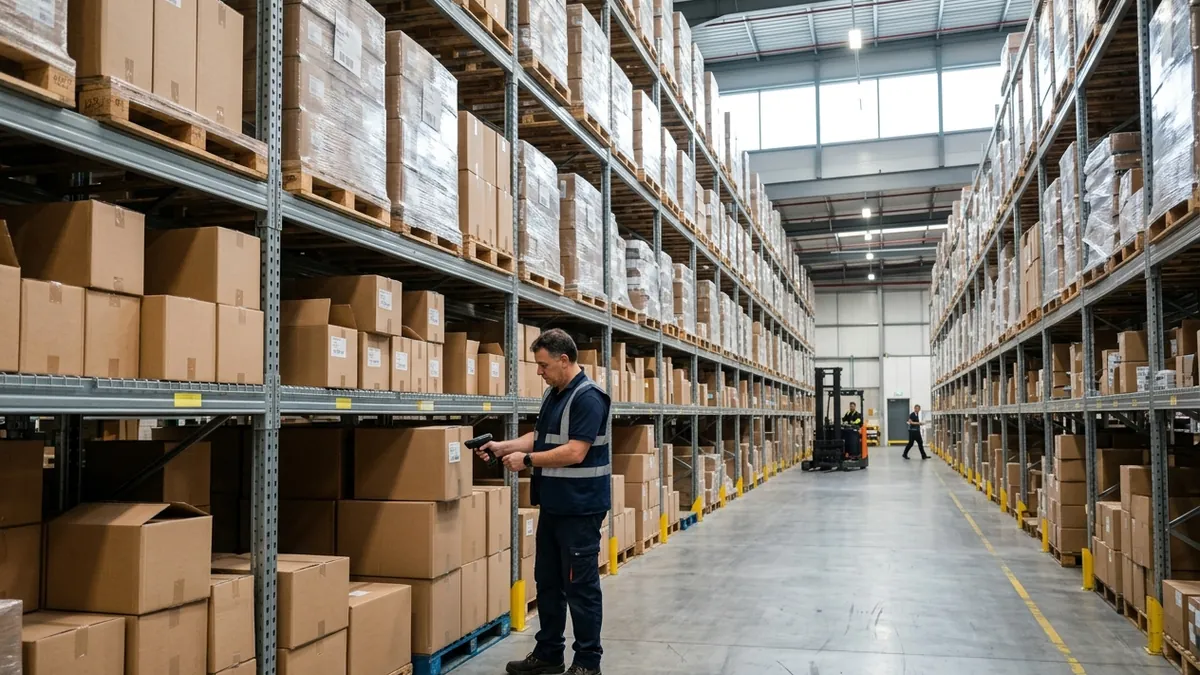
Consolidate multiple suppliers at our Seoul hub; we repack, verify DG compliance and ship DDP to Delhi, Mumbai, Bengaluru, Chennai or Hyderabad from ₹690/kg all-inclusive of freight, Indian clearance, duty and IGST, in 6–9 days. Heavy auto parts above ~500 kg go sea LCL Busan → Nhava Sheva/Chennai in 4–6 weeks. Fragile displays ship in foam-lined double-wall cartons with shock indicators. Related: how to import from Korea to India, business sourcing from Korea, cheapest courier Korea to India.
Personal imports of Korean gadgets
Individuals can import one unit of a gadget for personal use without BIS (customs may still ask for WPC self-declaration for wireless devices). Duty applies on value above the ₹5,000 gift/₹10,000 personal-use allowances under the courier route — smartphones at 15–20% BCD + 18% IGST. Our proxy shopping service buys from Coupang, Gmarket or Samsung Korea and ships DDP so you pay one landed price.